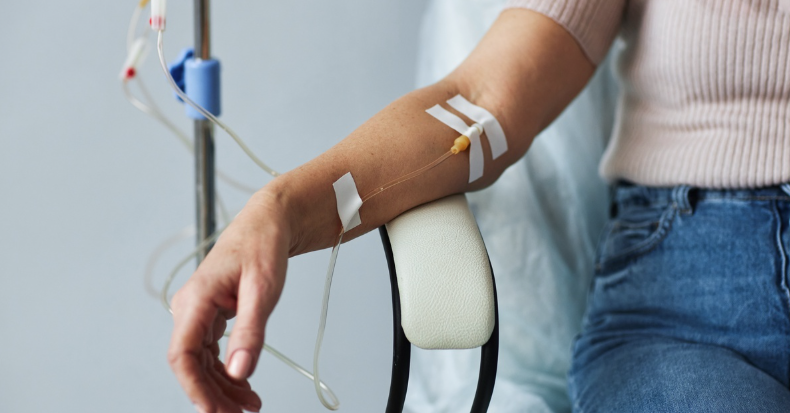
Intravenous therapy is a vital component of modern healthcare, enabling healthcare professionals to deliver fluids, medications, and nutrients directly into a patient’s bloodstream. Among the commonly used IV access points is the peripheral line, which provides a simple and effective method for short-term therapy.
What is a Peripheral Line?
A peripheral line is an intravenous catheter inserted into a small vein, typically located in the hand, arm, or foot. It serves as a pathway for fluids, medications, or blood products to enter the bloodstream efficiently. Peripheral lines are widely used in hospitals, clinics, and emergency care settings due to their simplicity and ease of insertion.
Components of a Peripheral Line
- Catheter: A small, flexible tube inserted into the vein.
- Hub or Connector: Connects the catheter to IV tubing or syringes.
- Clamp or Valve: Regulates fluid flow and prevents backflow.
- Dressing and Securement Device: Ensures the catheter remains sterile and in place.
For further reference, healthcare professionals can consult peripheral line resources.
Uses of Peripheral Lines
Peripheral lines are versatile and used in a variety of clinical situations, including:
- Fluid Replacement: Treating dehydration caused by illness, surgery, or trauma.
- Medication Delivery: Administering antibiotics, painkillers, electrolytes, or short-term medications.
- Blood Sampling: Facilitating routine blood draws without multiple punctures.
- Emergency Care: Rapid administration of fluids in urgent situations.
- Short-Term Nutritional Support: Delivering nutrients intravenously for patients with limited oral intake.
Advantages of Peripheral Lines
- Easy to Insert: Can be placed quickly with minimal training.
- Minimal Discomfort: Less invasive than central lines, suitable for short-term therapy.
- Versatile: Suitable for fluid, medication, and blood administration.
- Reduced Complication Risk: Lower risk of serious complications compared to central lines.
Proper Handling and Maintenance
- Follow strict aseptic technique during insertion and handling.
- Ensure all connections are secure before beginning therapy.
- Monitor patient response and fluid flow continuously.
- Replace the peripheral line as per hospital protocol or sooner if complications arise.
- Inspect the catheter site regularly for signs of infection, infiltration, or phlebitis.
Troubleshooting Common Issues
- Slow Flow: Check for kinks, clots, or improperly positioned catheter.
- Leaks: Inspect tubing and connectors; replace any damaged components.
- Infection: Look for redness, swelling, or pain at the insertion site; follow infection control protocols.
- Patient Discomfort: Adjust catheter placement or switch to a different vein if necessary.
FAQs About Peripheral Line
1. What is a peripheral line used for?
Peripheral lines are used for short-term fluid replacement, medication administration, blood sampling, and emergency IV therapy.
2. How long can a peripheral line stay in place?
Peripheral lines are typically used for short-term therapy, usually 72–96 hours, depending on hospital protocols and patient condition.
See also:Understanding Types of IV Lines in Intravenous Therapy
3. How should peripheral lines be maintained?
Peripheral lines should be monitored regularly, connections secured, and the catheter site kept clean to prevent infection and complications.
Conclusion
The peripheral line is an essential component of intravenous therapy, providing a reliable and simple method for short-term fluid and medication delivery. Proper knowledge of its uses, insertion, and maintenance ensures effective therapy and patient safety. For more information, healthcare professionals can refer to peripheral line resources.