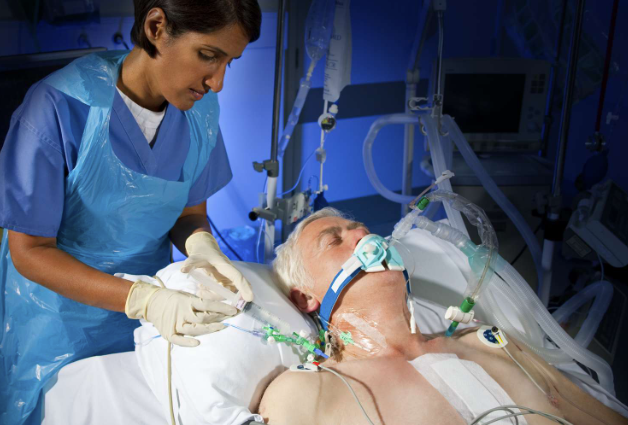
Intravenous therapy is a fundamental aspect of modern healthcare, providing a direct route for fluids, medications, and nutrients into the patient’s bloodstream. One of the critical elements of IV therapy is understanding the types of IV lines, which vary in design, placement, and intended use. Proper knowledge of these lines ensures effective treatment and patient safety.
What Are IV Lines?
IV lines are medical devices that create a secure pathway from an IV bag or syringe to the patient’s vein. They consist of tubing, connectors, clamps, and sometimes filters, enabling precise control of fluid flow. IV lines are widely used in hospitals, clinics, and emergency care to administer medications, hydration, blood products, and nutrition.
Components of an IV Line
- Tubing: Flexible conduit for fluids or medications.
- Connectors: Securely link tubing to IV bags, syringes, or catheters.
- Drip Chamber: Allows monitoring of fluid flow and drop rate.
- Roller Clamp: Controls flow speed precisely.
- Filters: Optional inline filters remove air bubbles or particulates before the fluid enters the bloodstream.
For detailed information, healthcare professionals can refer to types of iv lines resources.
Common Types of IV Lines
Peripheral IV Lines
Peripheral IV lines are inserted into smaller veins, usually in the hands, arms, or feet. They are ideal for short-term therapy, including fluid replacement, medication delivery, and blood sampling.
Central IV Lines
Central IV lines are inserted into large veins near the heart, such as the subclavian or jugular veins. They are used for long-term therapy, rapid medication delivery, and critical care management.
Midline IV Lines
Midline IV lines are inserted into peripheral veins but extend deeper than standard peripheral lines. They are suitable for therapy lasting a few weeks, offering reliable access without frequent vein punctures.
See also: Simple Bedroom Upgrades That Create More Hidden Space
Peripherally Inserted Central Catheters (PICC Lines)
PICC lines are inserted in a peripheral vein and extend into a central vein near the heart. They are often used for medium to long-term therapy, including chemotherapy, long-term antibiotics, and parenteral nutrition.
Applications of IV Lines in Healthcare
IV lines are versatile tools in clinical practice. Their applications include:
- Fluid Replacement: Correcting dehydration from illness, surgery, or trauma.
- Medication Administration: Administering antibiotics, chemotherapy drugs, pain medications, and electrolytes.
- Blood Transfusion: Providing a controlled pathway for blood products.
- Nutritional Support: Delivering essential nutrients intravenously to patients unable to eat orally.
- Emergency Care: Facilitating rapid fluid or medication delivery during critical situations.
Advantages of Knowing Types of IV Lines
- Enables selection of the appropriate line for therapy duration and patient condition.
- Supports efficient and safe administration of fluids and medications.
- Reduces the risk of complications such as infiltration, infection, or phlebitis.
- Provides options for both short-term and long-term therapy.
Proper Handling and Maintenance
- Use aseptic technique when inserting and handling IV lines.
- Monitor patients and fluid flow during therapy.
- Replace IV lines according to hospital protocols to maintain sterility.
- Inspect tubing, connectors, and clamps regularly for leaks or damage.
- Document insertion sites, therapy duration, and any complications.
Troubleshooting Common Issues
- Slow Flow: Check for kinks, air bubbles, or blockages.
- Leaks: Inspect tubing and connections; replace if needed.
- Infection: Monitor for redness, swelling, or fever; follow hospital infection control protocols.
- Patient Discomfort: Adjust placement or change the IV line type if necessary.
FAQs About Types of IV Lines
1. What are the common types of IV lines?
The common types include peripheral IV lines, central IV lines, midline IV lines, and PICC lines, each suited for different therapy durations and purposes.
2. How do central and peripheral IV lines differ?
Central IV lines access large veins near the heart for long-term or rapid therapy, whereas peripheral lines use smaller veins for short-term treatments.
3. How often should IV lines be replaced?
IV lines should be replaced according to hospital protocols, typically every 72–96 hours, or sooner if complications arise.
Conclusion
Understanding the types of IV lines is essential for effective intravenous therapy. Selecting the appropriate line ensures precise medication delivery, patient comfort, and safety. Proper handling, monitoring, and adherence to hospital protocols enhance patient outcomes. For more guidance, healthcare professionals can consult types of iv lines resources.