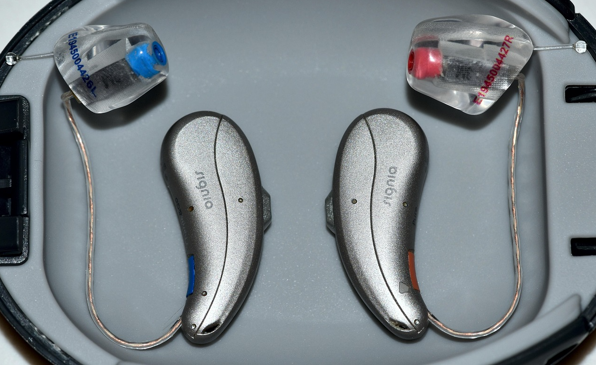
Getting your first hearing aids is a big deal. But a lot of people are surprised to find that putting them in for the first time doesn’t feel like a magical fix. Sounds can seem too loud, too sharp, or just plain weird. That’s completely normal, and it doesn’t mean something is wrong with the devices or with you. Understanding the types of hearing loss and how hearing aids are designed to address them can help set realistic expectations from the start, which makes the adjustment period a whole lot less frustrating.
The truth is, your brain needs time to catch up. If you’ve had hearing loss for a few years, your auditory system has quietly adapted to a quieter world. Suddenly reintroducing sounds it hasn’t processed properly in a while takes some getting used to. That’s why most audiologists and hearing specialists will tell you to ease in gradually rather than wearing them all day from day one. Modern Yeasound hearing aids are built with that adjustment curve in mind, but the technology can only do so much — the rest comes down to giving yourself the time and grace to adapt.
Start Small and Build Up
Most people do best when they treat the first few weeks as a breaking-in period. Start by wearing your hearing aids for a few hours a day in calm, quiet environments — at home, reading, watching TV, having a one-on-one conversation. This gives your brain a chance to relearn how to process sound without being overwhelmed.
Noisy environments like restaurants, busy offices, or family gatherings can wait. They’re harder even for experienced hearing aid users, and throwing yourself into them too early can make the whole experience feel more stressful than helpful.
See also: Cryptocurrency Technology Basics
Everything Will Sound Weird at First — That’s Fine
One of the most common complaints in the first few weeks is that sounds feel “off.” Your own voice might sound strange or hollow. Background noises you’d forgotten about — the hum of the fridge, your footsteps on a hard floor — will suddenly be back in the mix. Even paper rustling can feel startlingly loud.
This is your brain recalibrating, not a sign that something is wrong. Most people find these sensations settle down within a few weeks of consistent wear. The key word there is consistent — taking them out every time something sounds odd will slow the adjustment down considerably.
Keep a Journal of What’s Working and What Isn’t
This might sound a bit over the top, but it’s genuinely useful. Jotting down when you struggled, what environment you were in, and what specifically bothered you gives you something concrete to bring to your follow-up appointment. Hearing aids can be adjusted, and the more specific feedback you can give, the better the outcome.
A lot of people just say “they don’t feel right” and leave it at that. That makes it much harder for a specialist to help. Notes like “voices sound tinny in the morning” or “background noise drowns out speech in the car” are the kind of detail that actually leads to useful tweaks.
Have Honest Conversations With the People Around You
Your friends and family are going to be part of this adjustment whether they realize it or not. It helps to let them know what’s going on. Ask them to face you when they’re talking, to speak clearly without shouting, and to be patient if you still mishear things occasionally.
A lot of new hearing aid users find that the hardest part isn’t the devices themselves — it’s the social awkwardness of still not catching everything even with the aids in. Being upfront about where you’re at takes some of that pressure off.
Don’t Skip Your Follow-Up Appointments
First fittings are rarely perfect. Hearing aids are programmed based on your audiogram, but real-world listening is more complex than any test can fully capture. Follow-up appointments exist specifically to fine-tune things based on how you’re actually getting on, and skipping them is one of the biggest mistakes new users make.
Most specialists schedule a check-in within the first few weeks. Go. Bring your journal notes. Ask questions. The more you put into those appointments, the better your hearing aids will perform long-term.
Give It a Real Chance
The adjustment period for hearing aids is typically anywhere from a few weeks to a few months. That sounds like a long time, but most people find that things click somewhere in that window and wearing them starts to feel natural rather than effortful.
The people who struggle most are usually those who give up too early. If something feels uncomfortable or off, the answer is almost always to flag it and get it adjusted — not to leave the aids in the drawer. Stick with it, be patient with yourself, and the payoff is real.