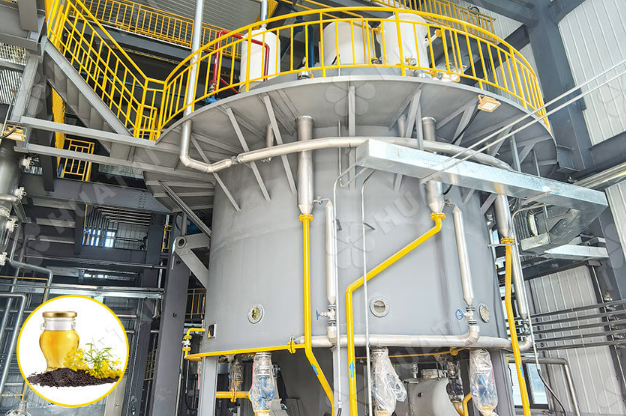
In modern oil processing industries, achieving high oil yield and consistent quality is essential. A solvent extraction plant provides an advanced solution to extract oil efficiently from seeds, nuts, and even used oils. By using chemical solvents and automated systems, these plants help businesses optimize resources, reduce waste, and ensure sustainable operations.
Understanding Solvent Extraction Technology
A solvent extraction plant uses chemical solvents to extract oil from raw materials, allowing for higher recovery rates compared to mechanical pressing methods. The process involves dissolving oil in a solvent, separating the oil-solvent mixture, and refining the extracted oil for industrial, edible, or biofuel applications.
Advantages of a Solvent Extraction Plant
- High Oil Recovery – Extracts maximum oil from raw materials.
- Consistent Quality – Ensures uniform oil suitable for various industrial uses.
- Cost-Efficient – Reduces waste and optimizes resource utilization.
- Versatile Applications – Can process seeds, nuts, and used oils.
Components of a Modern Solvent Extraction Plant
Modern plants incorporate advanced equipment and systems to maintain efficiency and safety:
- Extractor Units – Facilitate efficient extraction of oil from raw materials.
- Desolventizer Systems – Remove solvents from the extracted oil.
- Filtration and Purification Units – Ensure clean, high-quality oil output.
- Solvent Recovery Systems – Collect and reuse solvents, reducing environmental impact.
- Automated Monitoring Panels – Control temperature, pressure, and flow precisely.
Industrial Applications
Solvent extraction plants are widely used across different sectors:
- Edible Oil Production – Extracts oil from soybean, sunflower, and peanut seeds.
- Base Oil Manufacturing – Converts used oils into high-quality base oils.
- Biofuel Production – Produces oils suitable for biodiesel.
- Industrial Lubricants – Refines oils for machinery and energy applications.
A solvent extraction plant ensures high output and minimal waste, making it suitable for industrial-scale operations.
Environmental and Economic Benefits
Implementing a solvent extraction plant offers several benefits:
- Waste Reduction – Maximizes oil extraction and minimizes leftover residues.
- Resource Efficiency – Optimizes raw material usage while maintaining output quality.
- Cost Savings – Reduces operational and labor costs.
- Sustainable Production – Uses solvent recovery and energy-efficient designs to minimize environmental impact.
See also: Top Places to Shop for Professional Grade Rooflight Systems
Technological Innovations
Modern solvent extraction plants incorporate advanced technologies to improve production and safety:
- Automated Monitoring Systems – Ensure precise control over temperature, solvent flow, and pressure.
- Energy-Efficient Designs – Minimize electricity consumption without compromising production.
- Solvent Recovery Systems – Allow safe reuse of solvents, reducing environmental hazards.
These features improve productivity while maintaining compliance with industrial and environmental standards.
Conclusion
Investing in a is a strategic decision for industries aiming to maximize oil recovery, maintain high-quality output, and operate sustainably. Modern plants ensure efficiency, cost-effectiveness, and eco-friendly production, making them an indispensable asset for businesses in edible oil, base oil, biofuel, and industrial lubricant sectors.
Frequently Asked Questions (FAQs)
1. What raw materials can a solvent extraction plant process?
Seeds, nuts, and used oils can all be processed to extract high-quality oil.
2. How do I select a reliable solvent extraction plant?
Evaluate the manufacturer’s experience, technology quality, energy efficiency, and after-sales support.
3. What are the main benefits of using a solvent extraction plant?
Benefits include high oil yield, consistent quality, cost efficiency, and sustainable operations.