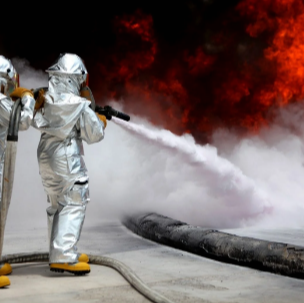
Fire is one of the most dangerous and unpredictable hazards affecting residential, commercial, and industrial environments. Every year, fires cause loss of life, property damage, and serious economic disruption. A well-planned fire risk assessment combined with effective prevention strategies plays a critical role in minimizing these risks. Understanding fire hazards, evaluating potential threats, and implementing control measures are essential steps toward creating a safer environment.
Understanding Fire Risk Assessment
Fire risk assessment is a systematic process used to identify fire hazards, evaluate the likelihood of fire occurrence, and assess the potential impact on people, property, and operations. It focuses on recognizing conditions that could start a fire and factors that may allow it to spread. The assessment also examines the effectiveness of existing safety measures and determines whether additional precautions are needed.
A comprehensive fire risk assessment is not a one-time activity. It should be reviewed regularly, especially when building layouts change, new equipment is installed, or occupancy levels increase. This proactive approach helps organizations remain compliant with safety standards while ensuring the well-being of occupants.
Key Components of Fire Risk Assessment
Identification of Fire Hazards
Fire hazards typically fall into three categories: sources of ignition, sources of fuel, and sources of oxygen. Ignition sources include electrical equipment, open flames, and overheating machinery. Fuel sources may involve paper, chemicals, furniture, or flammable liquids. Oxygen sources are often present naturally but can be intensified by ventilation systems or compressed oxygen supplies.
Identification of People at Risk
Certain individuals face higher risk during a fire, including children, elderly people, persons with disabilities, and employees working in high-risk areas. A proper assessment identifies where people are located, how familiar they are with emergency procedures, and whether additional assistance may be required during evacuation.
Evaluation of Existing Fire Safety Measures
This step involves examining fire alarms, extinguishers, emergency exits, signage, fire doors, and evacuation routes. It also includes reviewing staff training, fire drills, and maintenance schedules. Any weaknesses in these measures must be addressed promptly.
Recording Findings and Planning Actions
Documenting assessment results ensures accountability and clarity. The recorded findings should outline identified hazards, risk levels, and corrective actions. A clear action plan with assigned responsibilities and timelines strengthens overall fire safety management.
Importance of Fire Prevention Strategies
Fire prevention strategies aim to reduce the likelihood of fire ignition and limit its spread if it occurs. Prevention is always more effective and less costly than responding to a fire emergency. Well-designed prevention strategies protect lives, preserve assets, and support business continuity.
See Also: Consumer Technology Innovations You Should Know
Effective Fire Prevention Strategies
Electrical Safety Management
Electrical faults are among the leading causes of fires. Regular inspection of wiring, sockets, and appliances is essential. Overloading circuits should be avoided, and damaged cables must be replaced immediately. Electrical systems should always be installed and maintained by qualified professionals.
Proper Storage and Handling of Flammable Materials
Flammable substances should be stored in designated areas away from ignition sources. Containers must be clearly labeled, sealed properly, and handled according to safety procedures. Limiting the quantity of flammable materials on-site significantly reduces fire risk.
Good Housekeeping Practices
Cluttered environments increase fire hazards. Waste materials, especially combustible waste, should be disposed of regularly. Clear access to exits, fire equipment, and electrical panels must be maintained at all times.
Installation and Maintenance of Fire Detection Systems
Smoke detectors, heat detectors, and fire alarm systems provide early warning and save lives. These systems should be tested routinely to ensure they function correctly. Prompt detection allows faster evacuation and quicker response.
Staff Training and Fire Awareness
People play a vital role in fire prevention. Training programs should educate occupants on fire risks, safe behavior, use of fire extinguishers, and emergency evacuation procedures. Regular drills improve preparedness and reduce panic during real incidents.
Emergency Planning and Evacuation Procedures
Clear emergency plans ensure an organized response during a fire. Evacuation routes must be well-marked and unobstructed. Assembly points should be designated, and responsibilities such as fire wardens or safety officers must be clearly defined.
Role of Regular Reviews and Updates
Fire risks evolve over time due to operational changes, new equipment, or increased occupancy. Regular reviews of fire risk assessments and prevention strategies ensure continued effectiveness. Updates should be made whenever significant changes occur to maintain a high level of safety.
Legal and Moral Responsibility
Organizations and property owners carry both legal and ethical responsibility to provide a safe environment. Conducting fire risk assessments and implementing prevention strategies demonstrates commitment to safety and helps avoid penalties, legal disputes, and reputational damage.
Conclusion
Fire risk assessment and prevention strategies are essential tools for safeguarding lives and property. By identifying hazards, evaluating risks, and applying practical preventive measures, the likelihood and impact of fire incidents can be significantly reduced. Regular reviews, staff training, and proactive safety management create a resilient environment capable of responding effectively to emergencies. Investing time and resources in fire safety is not just a regulatory requirement but a fundamental responsibility toward people and assets.
Frequently Asked Questions (FAQs)
What is the main purpose of a fire risk assessment?
The main purpose of a fire risk assessment is to identify potential fire hazards, evaluate risks, and implement measures that prevent fires and protect people and property.
How often should a fire risk assessment be reviewed?
A fire risk assessment should be reviewed regularly and updated whenever there are significant changes such as renovations, new equipment, or increased occupancy.
Who is responsible for conducting fire risk assessments?
Property owners, employers, or building managers are typically responsible. They may conduct assessments themselves if competent or appoint trained professionals.
What are the most common causes of workplace fires?
Common causes include faulty electrical equipment, poor housekeeping, improper storage of flammable materials, and lack of fire safety awareness.
Can fire prevention strategies reduce insurance costs?
Yes, effective fire prevention strategies can lower the risk of fire incidents, which may lead to reduced insurance premiums and fewer claims.