Security has always been a big deal, right? Especially in places like airports and public venues where a lot of people come and go. Over the years, security scanning tech has evolved from simple metal detectors to high-tech gadgets that seem straight out of a sci-fi movie. The latest leap? Full-body scanners that use some pretty mind-blowing technology to keep us safe.
These aren’t your typical scanners. They use X-rays, millimeter waves, and even terahertz imaging to detect hidden objects on people. Imagine walking through a scanner and having it create a detailed image that shows if you’re carrying anything suspicious, similar to what a rad detector might do in a different context. It’s like having a superpower that sees through clothes, but don’t worry, privacy is still a priority—these images are designed to be non-invasive.
The tech behind these scanners is complex, yet fascinating. X-ray body scanners, for example, can see through layers of clothing to detect concealed items. Millimeter wave scanners use radio waves to create three-dimensional images, while terahertz imaging offers high-contrast, real-time views without any physical contact. It’s all about making sure nothing harmful gets through, all while keeping everything quick and efficient.
How ai is boosting security scans
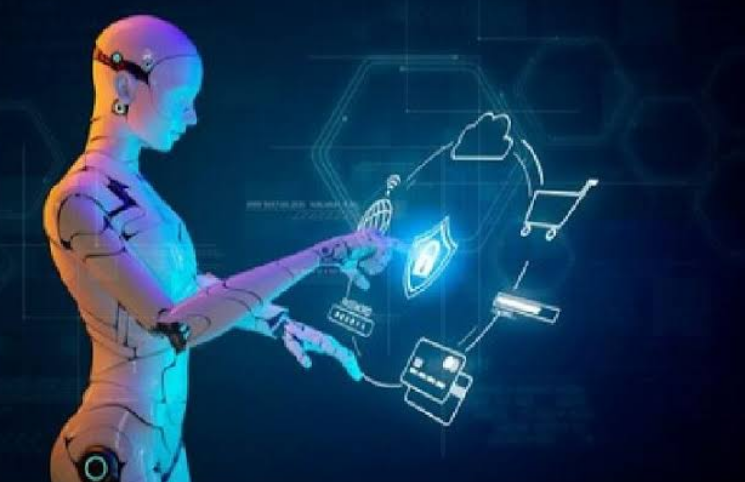
Artificial Intelligence (AI) is everywhere these days, from our smartphones to our cars. But did you know it’s also playing a huge role in security scanning? Yep, AI is being used to make these high-tech scanners even smarter. Think of it as giving the scanner a brain that can analyze what it sees and make decisions faster than any human could.
With AI, these scanners can automatically recognize potential threats without needing an operator to scrutinize every single scan. This not only speeds up the process but also reduces human error. Imagine how many scans an airport goes through daily—having AI step in means fewer missed threats and a smoother experience for travelers.
Plus, AI can learn and adapt over time. It gets better at recognizing patterns and anomalies, which means it can spot new kinds of threats as they emerge. This continuous learning process ensures the technology stays ahead of those trying to outsmart it. It’s like having an ever-evolving watchdog that never sleeps.
Airports are getting safer with new scanners
Airports are probably the first place most people think about when it comes to security scanning. And for good reason—they’re busy hubs where safety is paramount. These new body scanner are making airports safer than ever before. They’re faster, more accurate, and less intrusive.
One of the biggest benefits is the speed at which these new scanners work. Traditional methods often mean long lines and lots of waiting around. But with advanced tech like millimeter wave and terahertz imaging, passengers can get through security checks much quicker. This not only improves the experience for travelers but also makes it easier for security staff to manage large crowds.
Smarter screening for faster lines
Another cool thing about these new scanners is how smart they’ve become. They can differentiate between everyday items and potential threats with incredible precision. This means fewer false alarms and less hassle for passengers who don’t have to empty their pockets for every little thing.
Moreover, the use of AI in these systems allows for dynamic threat detection. In other words, the scanners can adjust their sensitivity based on real-time data. So if there’s an increased threat level, the system becomes more vigilant without causing unnecessary delays during normal times.
Keeping public spaces secure with advanced tech
It’s not just airports that benefit from this advanced scanning technology. Public spaces like stadiums, concert halls, and even government buildings are getting upgrades too. Anywhere there’s a need for tight security, these scanners are proving invaluable.
Take stadiums, for example. On game days or during big events, thousands of people pour in within a short time frame. Traditional security checks can be cumbersome and slow things down significantly. With advanced body scanners, however, security teams can screen large numbers of people quickly without compromising on safety.
Even places like schools and hospitals are starting to see the benefits. The ability to quickly and accurately detect threats means a safer environment for everyone involved. And because these systems are designed to be user-friendly and efficient, they’re not causing major disruptions to daily operations.
See also: Ensure Business Success with Corporate Due Diligence Services
The future of scanning: what’s next?
The future of scanning technology looks incredibly promising. As AI continues to advance and new imaging techniques are developed, we can expect these systems to become even more effective and less intrusive. Imagine a world where you barely notice you’re being scanned because the process is so seamless and integrated into your surroundings.
Future developments might include even more sophisticated algorithms that can predict potential threats before they become imminent. There’s also talk about integrating biometric data into scanning systems to create a comprehensive security profile in real-time.
As these technologies evolve, the goal remains the same: keeping people safe while making the process as smooth as possible. The balance between security and convenience is always tricky, but with these advancements, it seems we’re heading in the right direction.