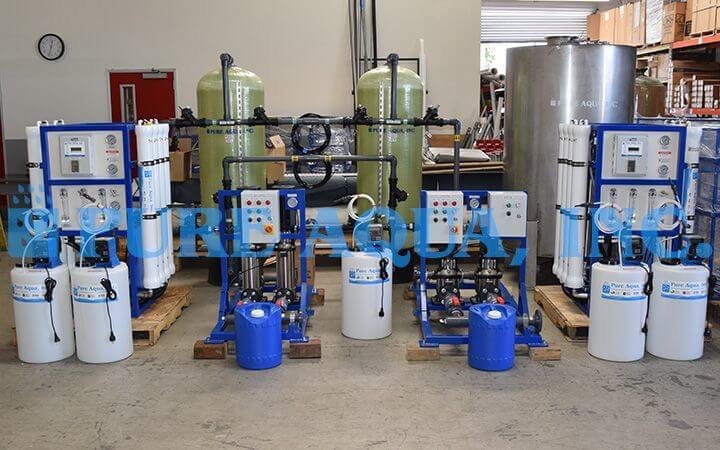
How do you select the ideal water deionizer system for laboratory High-quality deionizer systems provide water free from ions, minerals, and other contaminants, which is essential for laboratory experiments, analytical procedures, and pharmaceutical testing. Proper water deionization ensures accuracy, equipment protection, and compliance with regulatory standards.
Why Water Deionizer Systems Are Important
Water deionizer systems are critical in laboratory settings for several reasons:
- Experimental Accuracy: Removes ions and impurities that could affect test results.
- Equipment Protection: Prevents scaling, corrosion, and damage to sensitive laboratory instruments.
- Regulatory Compliance: Supports adherence to national and international laboratory standards.
- Operational Efficiency: Continuous supply of deionized water ensures smooth laboratory operations.
Key Features to Consider
When selecting a water deionizer system for laboratory use, consider:
- High Purity Output: Effective removal of ions and dissolved minerals.
- Capacity: Adequate to meet daily and peak laboratory demands.
- Durable Construction: High-quality materials ensure long-term reliability.
- Automation and Monitoring: Systems with smart controls maintain water quality and alert users to deviations.
See also: What Water Pooling Near Your Home Means for Long-Term Structural Health
Benefits of Water Deionizer Systems
- Consistent Water Quality: Provides reliable, contaminant-free water for experiments.
- Reliable Operations: Continuous supply prevents workflow interruptions.
- Reduced Equipment Risk: Protects analytical instruments from scaling and contamination.
- Cost Efficiency: Durable systems reduce maintenance and replacement costs over time.
FAQs
1. Why is a water deionizer system necessary for laboratories?
It provides ion-free, contaminant-free water essential for accurate lab experiments and analyses.
2. What features should a water deionizer system include?
High purity, adequate capacity, durable construction, and automated monitoring.
3. How is water quality maintained?
Through routine maintenance, monitoring, and adherence to purification protocols.
Conclusion
Selecting the right water deionizer system for laboratory use is crucial for experimental accuracy, equipment protection, and regulatory compliance. High-quality systems provide contaminant-free, ion-free water, support smooth laboratory operations, and ensure reliable experimental results. Investing in a professional water deionizer system guarantees long-term efficiency, durability, and performance.