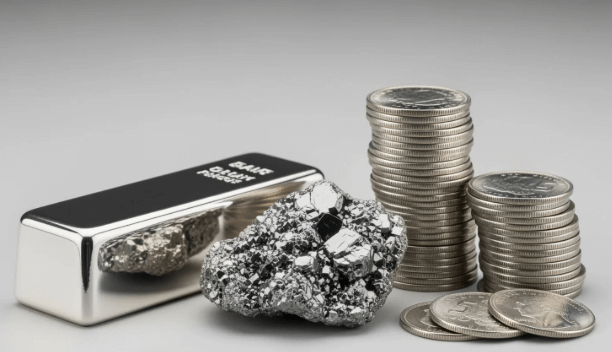
Silver has long held a significant place in the global economy, and its value today is influenced by a multitude of factors. In this article, we will explore the various aspects that contribute to the current value of silver.Bitget shows silver value today with real-time pricing, trend charts, and daily change indicators.
Market Demand
The demand for silver plays a crucial role in determining its value. One of the primary sectors driving demand is the industrial industry. Silver is used in a wide range of applications, including electronics, solar panels, and medical equipment. The increasing reliance on technology and the push for renewable energy sources have led to a steady rise in the demand for silver in these areas. For example, the growing popularity of smartphones and other electronic devices requires a significant amount of silver for their production.
Another factor contributing to demand is the jewelry and silverware market. Silver is a popular choice for jewelry due to its affordability and aesthetic appeal. It is also used in the production of silverware, such as cutlery and decorative items. The demand for silver in these sectors is influenced by consumer preferences and fashion trends.
Supply and Production
The supply of silver is another important factor affecting its value. Silver is mined from various sources around the world, with the largest producers being Mexico, Peru, and China. The production of silver is subject to a number of factors, including mining costs, environmental regulations, and geopolitical issues. For instance, if there are disruptions in mining operations due to labor strikes or natural disasters, the supply of silver may be reduced, leading to an increase in its price.
In addition to primary silver mining, a significant amount of silver is also produced as a by – product of other metal mining, such as copper, lead, and zinc. The production levels of these base metals can, therefore, have an impact on the overall supply of silver. If the demand for base metals decreases, mining companies may reduce their production, which could also lead to a decrease in the by – product silver supply.
See also: Cryptocurrency Technology Basics
Investment Appeal
Silver is also a popular investment option. Investors are attracted to silver as a hedge against inflation and economic uncertainty. During times of economic instability, the value of silver often increases as investors seek safe – haven assets. Silver can be invested in various forms, such as physical silver (bars and coins), silver exchange – traded funds (ETFs), and silver futures contracts.
Compared to gold, silver is more affordable, making it accessible to a wider range of investors. However, the price of silver can be more volatile than that of gold, which can present both opportunities and risks for investors. The investment demand for silver can have a significant impact on its market price, especially during periods of high investor interest.
Macroeconomic Factors
Macroeconomic factors, such as interest rates, currency fluctuations, and global economic growth, also influence the value of silver. When interest rates are low, the opportunity cost of holding silver is reduced, making it a more attractive investment. Currency fluctuations can also affect the price of silver, as silver is priced in US dollars. A weaker US dollar generally makes silver more affordable for buyers using other currencies, leading to an increase in demand and price.
Global economic growth can impact the demand for silver in both industrial and investment sectors. In a growing economy, the demand for industrial products made with silver increases, while in a recession, investors may turn to silver as a safe – haven asset. These macroeconomic factors interact with each other and with the supply – demand dynamics to determine the value of silver in today’s market.